
If you own a car in India—especially a luxury or premium vehicle—you already know that the road is a battlefield. Between the tight squeezes in city traffic and the debris-laden highways, maintaining a flawless exterior feels like a losing game. From “mystery” scratches in parking lots to the relentless oxidation caused by the tropical sun, your car’s paint is under constant siege.
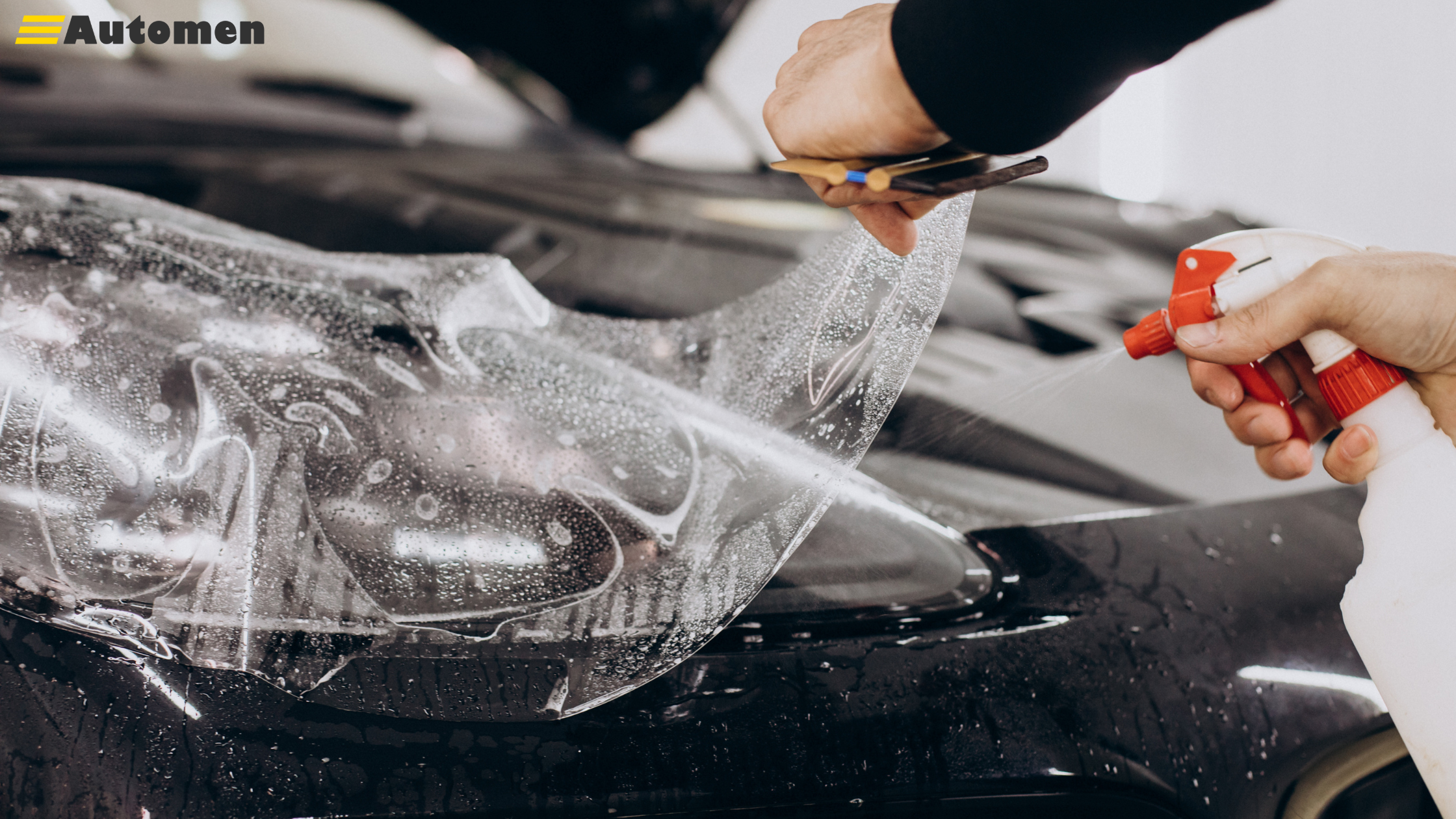
This is where Paint Protection Film (PPF) comes in. But at a premium price point, the big question remains: Is PPF actually worth it for Indian car owners?
Why Indian Roads are Unique (and Harsh)
In most countries, car care is about aesthetics. In India, it’s about survival. Here are why your factory paint struggles:
Traffic & “The Delhi Squeeze”: Daily city driving involves navigating bumper-to-bumper traffic where two-wheelers and autos often brush against your panels.
Stone Chips & Debris: With constant road construction and loose gravel on highways, stone chips act like miniature bullets, puncturing your clear coat.
Dust & Industrial Fallout: High pollution levels and construction dust are abrasive. Every time you “dust” your car with a cloth, you are essentially sandpapering the paint.
Environmental Extremes: The Indian climate oscillates between 45°C summer heat (UV damage) and acidic monsoons, both of which accelerate paint fading and clear-coat failure.
The Benefits of PPF: More Than Just a Plastic Wrap
PPF is a high-grade Thermoplastic Polyurethane (TPU) layer that acts as a secondary skin for your vehicle.
Ultimate Scratch Protection: Unlike wax or coatings, PPF provides a physical thickness (usually 8-10 mils) that absorbs the energy of an impact. It’s the difference between wearing a t-shirt and wearing a leather jacket during a fall.
Self-Healing Technology: The most revolutionary feature of modern PPF is its ability to “heal.” Most premium films are engineered with a memory effect. If the film gets swirl marks or light scratches, simply exposing the car to the hot Indian sun or pouring warm water over it will cause the scratches to vanish.
Preserving Resale Value: In the Indian pre-owned market, “Original Paint” is a gold standard. A car that has been protected by PPF since day one will always command a significant premium because the buyer knows the factory finish is pristine underneath.
Long-Term Cost Efficiency: While the upfront cost is high, consider the alternative: frequent rubbing-polishing (which thins your clear coat) or full-panel repainting (which never quite matches the factory finish). PPF is a one-time investment that lasts up to a decade.
PPF Cost in India (2026 Updated)
The cost of professional installation depends on the brand (XPEL, Garware, Stek, etc.) and the complexity of the car’s curves.
Partial PPF (bumper, bonnet): ₹25,000 – ₹60,000
Full Car PPF: ₹90,000 – ₹2,50,000+
PPF vs Ceramic Coating in India
| Feature PPF | Ceramic Coating | ||
| Scratch Protection | High | Low | |
| Stone Chip Protection | Yes | No | |
| Gloss Finish | Moderate | High | |
| Durability | 5–10 Years | 1–3 Years |
Get Premium PPF Installation in Delhi NCR
The film is only as good as the installation. Bubbles, peeling edges, and visible seams can ruin the look of your luxury vehicle.
At Automen India, we provide a sterile, dust-free environment for precision PPF applications. We specialize in:
High-Quality TPU Films: Only the most durable, non-yellowing films suited for the Indian climate.
Luxury Car Detailing: Restoring your car to better-than-factory condition before sealing it.
Advanced Car Care: Specialized maintenance to ensure your PPF stays glossy for years.
Frequently Asked Questions
How does the “Self-Healing” feature work in Indian summers?
The top layer of the film is made of an elastomeric polymer that returns to its natural shape when heated. In India, you often don’t even need a heat gun; leaving your car parked in the sun for an hour is usually enough to “heal” light swirl marks and surface scratches automatically.
Will the film turn yellow over time due to the intense sun?
In the past, cheaper PVC films would yellow within a year. However, modern Aliphatic TPU films used in 2026 are UV-resistant. Premium brands like XPEL or Garware high-end series come with a 5–10-year warranty specifically against yellowing, cracking, and peeling
Can I wash my car normally after getting PPF?
You should wait at least 7 days after installation to allow the adhesive to fully “anchor.” After that, you can wash it normally, but with two caveats: Use a pH-neutral shampoo. Keep high-pressure washers at least 2–3 feet away from the edges of the film to prevent lifting.
Is it better to get PPF or Ceramic Coating?
If your goal is protection (from stones, chips, and scratches), choose PPF. If your goal is aesthetics (high gloss and water beading), choose Ceramic Coating. For the ultimate Indian road setup, many owners apply PPF to the “high-impact zones” (front bumper, hood, mirrors) and Ceramic Coating to the rest of the car.
Can PPF be removed later? Will it damage my original paint?
If professional-grade film was used, it can be removed safely even after 5–7 years without leaving residue or damaging the factory paint. In fact, the paint underneath will often look exactly as it did the day the film was applied.